19425 Soledad Canyon Rd unit b, Canyon Country, CA Monday - Sunday: 7AM - 7PM
2+ Years in Canyon Country · Licensed & Insured

Canyon Country Roofing Contractor for Heat, Wind & Fire-Ready Roofs

Canyon Country roofs go through a lot. Summer heat climbs past 105°F, Santa Ana gusts rip through Soledad Canyon at 60 mph, and then a winter atmospheric river dumps an inch of rain in one afternoon. A concrete tile roof can look perfect from the street while the 30-year-old felt underneath falls apart, and most people only find out when a stain shows up on the ceiling. All Weather Roofing is a local, bonded and insured team that finds these hidden weak spots and fixes them properly. We quote honestly and do the work right, so your roof holds up through every season.

We work on the roofs Canyon Country is actually built with: 1980s tract homes in Whites Canyon and Rainbow Glen that are on their second composition roof, 1990s concrete S-tile across Canyon Crest and Shadow Pines, and newer homes in Fair Oaks Ranch and Five Knolls with HOA color rules and solar arrays. We know which areas need permits through the City of Santa Clarita and which pockets go through LA County. We also know how fire-zone rules change what goes on your roof.

  • Bonded and insured for your protection
  • Locally focused on Canyon Country since 2024
  • Free, no-pressure project quotes

Canyon Country homeowners choose All Weather Roofing for straightforward advice, honest pricing, and careful work from the first visit to the final cleanup. Ask us anything during your free quote. We'd like you to feel confident before you decide.

Request Your Free Estimate

No obligation. Fast, honest quotes.

Your information is never shared.

Online Estimates
Onsite Service
Licensed & Insured
Customer Rated
Local Expertise

Why Canyon Country Roofs Need a Local Roofing Contractor

Roofs in Canyon Country age differently than roofs at the coast or even 15 miles west. Elevation, inland heat, canyon winds, and wildfire rules all shorten roof life and add risk. If you know these forces, you can plan repairs before they become emergencies.

Heat, Wind, and Short, Violent Rainy Seasons

Canyon Country sits at roughly 1,400 to 2,000+ feet in the eastern Santa Clarita Valley. Summer highs often reach the upper 90s, and most years bring at least one stretch above 105°F. With more than 280 sunny days a year, UV dries out shingle sealant strips, strips away granules, and makes underlayment brittle. Winter nights drop into the 30s, so daily swings of 30 to 40 degrees keep flashing and fasteners expanding and contracting until they work loose. Rainfall averages only 15 to 18 inches, and nearly all of it falls between November and March, often in short, heavy storms. Santa Ana winds of 40 to 60+ mph in Sand Canyon and Soledad Canyon lift tiles and push rain under the laps. A roof can sit dry for eight months and then get tested hard in a single week.

Housing Stock Hitting Its Reroof Cycle

The neighborhood was built in waves: 1950s and 60s ranch homes and mobile home parks along Sierra Highway, big 1970s and 80s tracts around Santa Clarita's 1987 incorporation, master-planned stucco homes with concrete tile in the 1990s and 2000s, and newer communities like Fair Oaks Ranch and Five Knolls. Lots of concrete tile roofs from 1985 on still have their original 30# felt, which is now 30 to 40 years old and failing under tiles that look fine. Many 1980s homes are on their second composition roof. Some original wood shake roofs are still up and well overdue. Complex hip roofs on two-story homes, solar arrays, and steep hillside driveways all make the job harder.

Permits, Fire Zones, and HOA Rules

Most of Canyon Country is inside the City of Santa Clarita, so reroof permits go through the Building & Safety Division at City Hall on Valencia Blvd. Unincorporated pockets near Agua Dulce, Mint Canyon, and parts of Sand Canyon go through LA County Building & Safety. Large areas fall within CAL FIRE Very High Fire Hazard Severity Zones, where CBC Chapter 7A calls for Class A roof assemblies, bird-stops or ember-resistant treatment at open tile ends, and WUI-listed vents. New wood shake is effectively off the table. Title 24 cool-roof rules may apply depending on climate zone (mostly Zone 9, with some areas near 14/16). HOAs in Fair Oaks Ranch and many condo communities also have to approve tile profile and color.

Insurance and Value-Conscious Homeowners

Canyon Country has more than 70,000 residents and is the most affordable community in Santa Clarita. Most homes are owner-occupied, and many owners bought in the 1980s through 2000s, so a lot of them are facing their first big reroof or underlayment job now. Some insurers in high fire hazard areas have non-renewed policies or asked for roof upgrades, which makes Class A, ember-resistant work and clear documentation important. Homeowners here usually collect several bids, compare warranties, and want financing options. We plan for all of that.

Know The Signs

Common Roofing Problems We See in Canyon Country

Most roof failures around here don't come out of nowhere. They build up quietly over dry summers and show up all at once with the first big November storm or Santa Ana event. These are the problems we see most often, roughly from most urgent to least, and what causes each one.

Failed Underlayment Beneath Concrete Tile

Serious

Concrete tile can last 50 years or more, but it isn't the waterproof layer. The felt underlayment beneath it does that job. When the felt cracks, shrinks, or rots, water that gets past the tiles soaks into the roof deck and eventually comes through your ceiling.

Why it happens here

Most Canyon Country homes built from 1985 into the 2000s went up with 30# felt under concrete S-tile or flat tile. After 30-plus summers with attic-side temperatures far above outdoor highs, that felt turns brittle and splits along the battens. Long dry seasons hide the damage. Then a short, heavy atmospheric-river storm sends water through every gap in one night. That's why our leak calls jump after the first real rain between November and January, and many of them come from homeowners who were sure their tile roof was fine.

Signs to watch for
  • Ceiling stains after the first heavy storm of the season
  • Musty smell or damp insulation in the attic
  • Daylight visible through the decking near battens
  • Brittle, crumbling felt seen at a lifted or broken tile
  • Water stains along exterior eaves or fascia
  • Leaks that come back in different spots every winter
Local patterns

We see this all the time in 1990s tracts across Canyon Crest, Shadow Pines, and Rainbow Glen, and on older tile homes off Whites Canyon Road. Homes with a south- or west-facing slope usually fail first because they take the most afternoon sun.

Our fix

A tile lift-and-relay: we carefully remove the tiles, put down modern synthetic or high-grade underlayment and new flashing, then reinstall your existing tiles and replace any broken ones.

Santa Ana Wind Damage and Displaced Tiles

Emergency

Strong offshore winds can lift, crack, or slide tiles and tear shingles off. The underlayment is left exposed, and wind-driven rain gets pushed under laps and flashing. Without a quick tarp or repair, water can get into the home within hours.

Why it happens here

Santa Ana events hit Canyon Country mostly in fall and winter, and gusts of 40 to 60+ mph are common in Soledad Canyon, Sand Canyon, and along the ridgelines. Older roofs with brittle sealant strips or loose fasteners from years of heat cycling give way first. When a wind event is followed by rain, which happens a lot in this area, the damage turns into a leak fast, and we get a surge of emergency tarping calls.

Signs to watch for
  • Tiles or shingle pieces in the yard or gutters
  • Visible gaps or out-of-line rows on the roof
  • Lifted or flapping shingle tabs
  • Bent or missing ridge caps
  • New leaks during wind-driven rain
Local patterns

Hillside homes in Sand Canyon, Sky Blue Mesa, and the Skyline Ranch area, and anything exposed along the canyon passes, take the strongest gusts. Ridge and rake edges on two-story hip roofs are where damage shows up most.

Our fix

Emergency tarping to stop water right away, then we replace the missing tiles or shingles, re-secure the edges and ridges, and check the underlayment before the next storm.

Heat-Aged Composition Shingles

Moderate

Asphalt shingles break down faster in extreme heat. UV and high temperatures burn off the protective granules, dry out the asphalt, and weaken the sealant strips. The shingles curl, crack, and can blow off, often years before their rated lifespan.

Why it happens here

Summer heat in Canyon Country often goes past 105°F, and attics run much hotter than that. A shingle rated for 25 to 30 years may only last 15 to 20 here, especially if attic ventilation is poor. A lot of 1980s homes are already on their second composition roof, and many of those were put on without enough intake or exhaust venting. That traps heat, cooks the shingles from underneath, and pushes cooling bills up.

Signs to watch for
  • Granules piling up in gutters and downspouts
  • Curling, cupping, or clawed shingle edges
  • Bald or shiny patches on sun-facing slopes
  • Cracked or brittle tabs
  • Unusually hot upstairs rooms in summer
  • Shingles lifting in moderate wind
Local patterns

This is common across 1970s and 80s tracts along the Sierra Highway corridor, in Whites Canyon, and around Lost Canyon, where homes have been through several heat-heavy reroof cycles.

Our fix

Targeted repairs if the roof is mostly sound. If it's at the end of its life, we replace it with heat-resistant, Class A shingles and add balanced ridge and intake ventilation.

Cracked Mortar Ridges and Hips

Moderate

Many tile roofs use mortar to bed the ridge and hip tiles. Over time the mortar cracks and pulls away, the caps loosen, and water and embers can get in along the highest, most exposed lines of the roof.

Why it happens here

Daily temperature swings of 30 to 40 degrees mean the mortar expands and contracts hundreds of times a year. Add Santa Ana winds pulling at the caps and dry-season dust working into the cracks, and mortared ridges on 1990s and 2000s tile homes in Canyon Country tend to fail early, well before the field tiles do. Loose ridge caps also slide off easily, which creates a safety hazard and leaves an opening for water.

Signs to watch for
  • Visible cracks or gaps in ridge mortar
  • Mortar chunks in gutters or on the ground
  • Loose or shifted ridge or hip caps
  • Leaks near the top of rooms or vaulted ceilings
  • Birds or debris getting under ridge tiles
Local patterns

We see this a lot on two-story homes with complex hip roofs in Canyon Crest, Five Knolls, and Vista Canyon, where the long hip lines sit fully exposed to sun and wind.

Our fix

We re-point or rebuild the ridges. Where it makes sense, we switch to a mechanically fastened ridge system with breathable ridge vents, which holds up better to wind and heat.

Fire-Zone Vulnerabilities: Open Tile Ends and Vents

Serious

Embers, not walls of flame, are the main way homes catch fire in a wildfire. Open ends at the eaves of S-tile roofs, non-rated attic vents, and gutters full of debris all let embers reach combustible material.

Why it happens here

Large parts of Canyon Country fall within Very High Fire Hazard Severity Zones, with chaparral-covered hillsides that burned in the Sand Fire (2016) and Tick Fire (2019). Plenty of older tile roofs went on without bird-stops or ember-resistant eave closures, and many attic vents predate today's WUI standards. Insurers have noticed, and some carriers now require upgrades or documentation before they'll renew.

Signs to watch for
  • Open gaps at the bottom row of S-tiles
  • Bird or rodent nests under eave tiles
  • Standard mesh vents rather than WUI-listed vents
  • Dry leaves, ash, or debris in gutters and valleys
  • Insurance letters requesting roof upgrades
  • Remaining wood shake roofing
Local patterns

This is most urgent for homes against open hillsides in Sand Canyon, Mint Canyon, Whites Canyon, and the eastern edges near Agua Dulce, where brush runs right up to the backyard fences.

Our fix

We install bird-stops or ember-resistant eave closures and WUI-listed vents, clear the valleys and gutters, and document the upgrades for your insurer. Where needed, we plan a Class A reroof.

Failing Skylight and Valley Flashing

Moderate

Flashing is the metal that seals the joints where roof planes meet or where something like a skylight goes through the roof. When valley metal rusts or skylight pan flashing fails, water gets channeled straight into the structure.

Why it happens here

Original valley metal on many 1980s and 90s Canyon Country homes is decades old and rusting through. Heat cycling loosens the seals around skylights, and UV breaks down the sealants and plastic domes. Dust and ash that collect in valleys all summer hold moisture against the metal when the rain finally arrives, which speeds up corrosion just as the heaviest storms hit.

Signs to watch for
  • Rust streaks or holes in valley metal
  • Water stains around skylight frames
  • Cloudy, cracked, or brittle skylight domes
  • Debris dams built up in valleys
  • Drips that only appear in heavy rain
Local patterns

This is common on cut-up roof designs in Shadow Pines, Rainbow Glen, and Canyon Crest, and on older homes along Soledad Canyon Rd where skylights were added after the original build.

Our fix

We replace corroded valley metal and install new skylight pan flashing or upgraded skylights, then reseal with materials made to handle constant UV exposure.

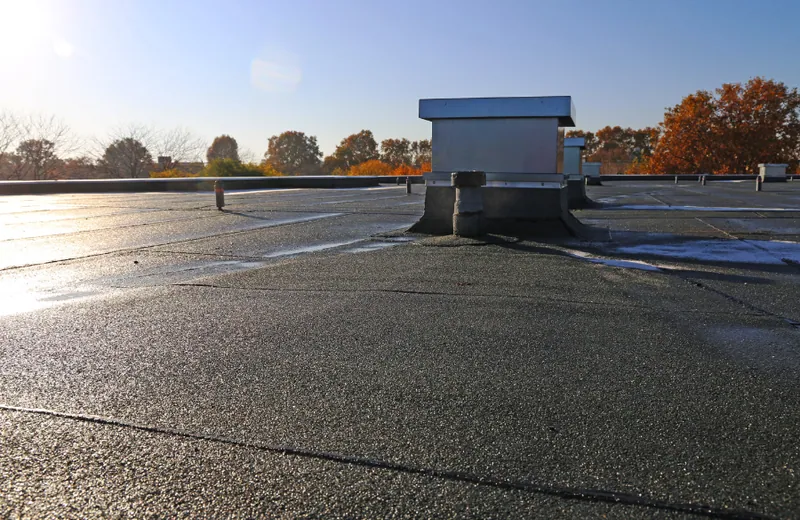
Ponding on Low-Slope Patio Covers and Flat Roofs

Minor

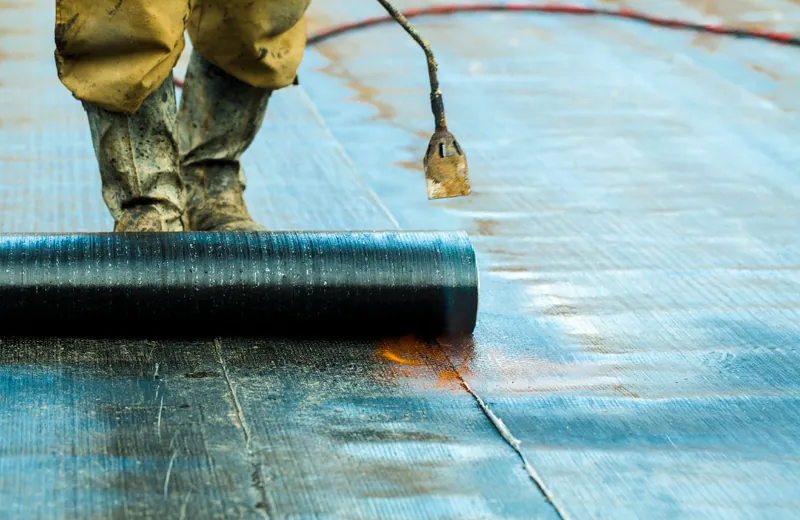
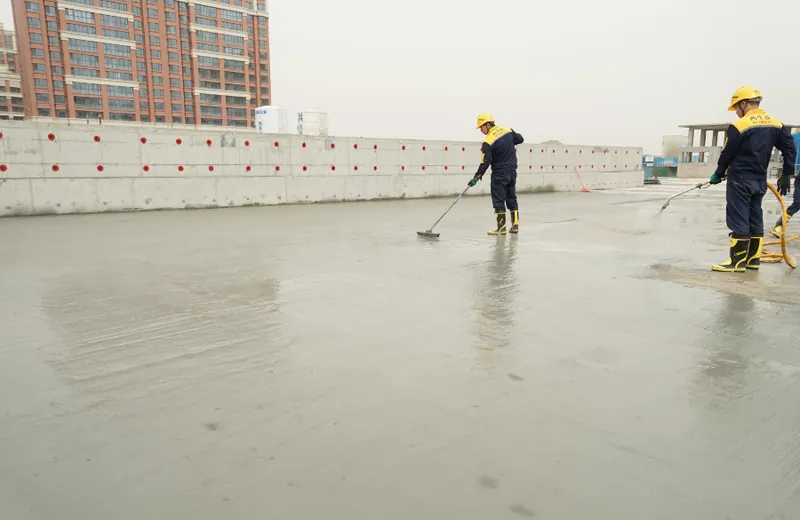
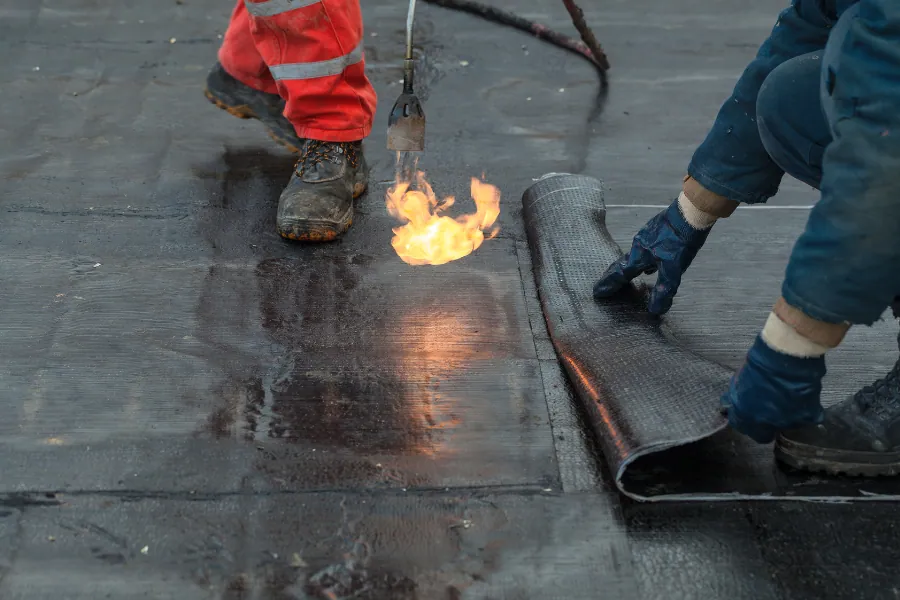
Low-slope sections like patio covers, room additions, and condo flat roofs depend on positive drainage and an intact membrane. When water sits, coatings break down and small cracks turn into leaks.

Why it happens here

A lot of Canyon Country patio covers and additions went up with very little slope or drainage, and condo flat roofs often have tired coatings that have spent decades under intense sun. With 280+ sunny days, UV breaks down roll roofing and coatings fast, and the short, heavy winter storms then fill every low spot.

Signs to watch for
  • Standing water 48 hours after rain
  • Blistered, cracked, or chalky coating
  • Leaks at the wall-to-patio connection
  • Sagging patio cover sections
  • Algae or dirt rings marking water lines
Local patterns

We see this often at condo and townhome communities, mobile home parks along Sierra Highway, and on DIY or older patio additions throughout Canyon Country's 1970s and 80s tracts.

Our fix

We correct the drainage, repair the membrane, or replace it with a modern low-slope system and a reflective, Title 24-friendly cool-roof coating where it's required.
What We Do

Roofing Services Built for Canyon Country Homes and Businesses

Every service below is designed around what Canyon Country roofs actually deal with: heat, wind, short and intense rainy seasons, and fire-zone rules. We start with an honest look at what your roof needs, give you clear options, and recommend the one that makes the most sense for your home, budget, and timeline.

Specialty

Roof Repair

We track down the real source of a leak or failure and fix it, whether that's broken tiles, lifted shingles, cracked ridge mortar, failed flashing, or worn underlayment. We don't patch over a symptom and leave the cause in place.

Our approach

We do an attic inspection and a roof-surface check, match your existing tile or shingle profile, and use modern underlayment and corrosion-resistant flashing. For tile roofs, we do partial lift-and-relays when only one slope or section has failed.

In Canyon Country, CA

After the first heavy November storm, most leaks we find trace back to aged felt under concrete tile or to valley flashing. We fix the problem area thoroughly so you aren't calling again at the next atmospheric river.

Best for

Homeowners with active leaks, storm-damaged sections, or a roof that's mostly sound but has specific weak spots that need attention before winter.

Specialty

Roof Replacement

We fully replace roofs that are at the end of their life, including tile underlayment relays, composition tear-offs, and conversions from wood shake. We handle the permits, HOA submittals, and solar coordination.

Our approach

Full tear-off down to the deck, deck repairs, high-temperature synthetic underlayment, new flashing, and Class A-rated assemblies. Ventilation is balanced for heat, and fire-zone details like bird-stops and WUI vents are built in.

In Canyon Country, CA

Many Canyon Country homes from the 1980s through the 2000s are due right now. We build replacements that meet Santa Clarita or LA County permit rules, Chapter 7A fire-zone requirements, and Title 24 where it applies.

Best for

Homes with failing tile underlayment over the whole roof, worn-out composition roofs, remaining shake roofs, or owners facing insurance-required upgrades.

Roof Installation

We install new roofs on additions, ADUs, rebuilt structures, and new construction, choosing materials that suit the home, the HOA, and the fire zone it sits in.

Our approach

We help you choose between concrete tile, composition shingle, and low-slope systems, then install to manufacturer specs with proper underlayment, flashing, and ventilation so the warranty stays valid.

In Canyon Country, CA

ADUs and room additions are popular across Canyon Country. We match the existing roof profile and color for HOA approval in communities like Fair Oaks Ranch and make sure new work meets Class A and ember-resistant requirements.

Best for

ADU builds, additions, garage conversions, rebuilt patio structures, and property owners adding new roofed space.

Roof Inspection

We do a thorough roof and attic inspection and give you a written condition report with photos, a clear explanation of what we found, and prioritized recommendations.

Our approach

We check the surface, flashing, ridges, valleys, vents, and gutters. Inside the attic we look for moisture staining, decking condition, and ventilation problems. When we can safely lift a tile, we check the underlayment underneath it.

In Canyon Country, CA

The best time is before the November–March rainy season or after a Santa Ana event. Inspections also help with home sales and insurer requests for roof documentation in high fire hazard zones.

Best for

Buyers and sellers, owners of tile roofs 25+ years old, homeowners with insurance renewal questions, and anyone getting ready for winter.

Roof Maintenance

We do seasonal maintenance that keeps small problems small: clearing debris, replacing cracked tiles, resealing flashing, and touching up ridges.

Our approach

We clean valleys and gutters, swap broken tiles and shingles, reseal penetrations, check vents and bird-stops, and refresh low-slope coatings. Everything is documented with photos.

In Canyon Country, CA

Ash and dust build up in valleys over the dry season, and embers can settle in that debris. A fall maintenance visit lowers fire risk and gets your roof ready for the first winter storms.

Best for

Homeowners who want their roof to last as long as possible, rental property owners, and HOAs planning ongoing upkeep.

Commercial Roofing

We repair, maintain, and replace roofs on small commercial buildings, condo and townhome complexes, and multi-unit properties, including flat and low-slope roofs.

Our approach

We use low-slope membrane systems, reflective cool-roof coatings, drainage corrections, and tile or shingle work on mansard and pitched sections. We schedule around tenants and business hours.

In Canyon Country, CA

Retail along Soledad Canyon Rd and Sierra Highway, condo communities, and mobile home parks often have aging flat roofs with poor drainage. We bring them up to Title 24 standards where reroofs require it.

Best for

Property managers, HOA boards, small business owners, and multi-unit owners in and around Canyon Country.

Emergency Roofing

When wind or storms leave your roof open, we respond quickly to tarp it, secure loose materials, and stop water from getting in. Then we plan the permanent repair.

Our approach

Secure tarping, temporary flashing and sealing, removal of loose tiles that could fall, and photo documentation to support your insurance claim.

In Canyon Country, CA

Santa Ana gusts and atmospheric-river storms often come in the same week here. Fast tarping after wind damage keeps a few displaced tiles from turning into ruined drywall and insulation.

Best for

Homes and businesses with sudden wind damage, active leaks during storms, or fallen-tree or debris impacts.

Simple & Transparent

Our Roofing Process, Start to Finish

We keep it simple and transparent. You'll know what's happening, why it's happening, and what it costs before any work begins. No pressure, no vague estimates, and we treat your home with care.

Free Consultation and Roof Inspection

  • We talk through your concerns, the roof's history, and your goals
  • Roof surface and attic inspection, including underlayment checks where safe
  • Photos of every problem area so you can see what we see
  • Notes on fire-zone, HOA, and solar considerations

On hillside lots in Sand Canyon or Skyline Ranch, we also look at access, staging, and delivery logistics during the visit.

Usually scheduled within a few days; visit takes 45–90 minutes

Clear, Line-Item Quote and Options

  • Written quote with materials, scope, and pricing broken out
  • Repair and replacement options compared side by side when both make sense
  • Financing options explained for qualifying projects
  • An honest recommendation, including when a repair is all you need

We point out where Chapter 7A fire-zone upgrades or Title 24 cool-roof rules affect your scope and price.

Typically delivered within 1–3 business days

Permits, HOA Approval, and Scheduling

  • We pull permits through City of Santa Clarita or LA County Building & Safety
  • We help prepare HOA architectural submittals with tile profile and color samples
  • We coordinate solar detach-and-reset with your solar provider
  • We order materials and set a start date that works around the weather

Fair Oaks Ranch and many condo communities need HOA approval before work can start, so we plan that into the timeline.

About 1–4 weeks depending on permit and HOA review

Installation or Repair Work

  • Landscaping, driveway, and solar equipment protected before work starts
  • Work completed to manufacturer specs and local code
  • Daily cleanup and magnetic nail sweeps
  • Progress updates and photos throughout the job

In summer we start early to avoid peak heat for both the crew and the materials. In winter we watch forecasts closely and keep tarps staged.

Repairs: 1 day; most reroofs: 2–5 days; tile relays: 3–7 days

Final Walkthrough and Inspection Sign-Off

  • Final inspection with the building department
  • Walkthrough with you to review the finished roof
  • Photo documentation for your records and insurer
  • Maintenance tips specific to your roof type

We give you upgrade documentation you can send your insurer, which helps in high fire hazard areas.

Final day of the project, plus city or county inspection
The All Weather Roofing Difference

Why Canyon Country Homeowners Choose All Weather Roofing

Local Focus on Canyon Country Roofs

We're a local team that works on Canyon Country homes, and that makes a difference. We know the 1990s tracts in Canyon Crest are reaching the end of their original tile underlayment, that 1980s homes in Whites Canyon are often on their second composition roof, and that ridge lines in Sand Canyon catch the strongest Santa Ana gusts. We know which addresses go through City of Santa Clarita permits and which go through LA County. That local knowledge goes into every inspection and every quote we write.

Bonded and Insured for Your Protection

All Weather Roofing is bonded and insured, so you're protected if something unexpected happens on your property. After a wind event, storm chasers and unlicensed crews show up in Canyon Country quickly, and homeowners who hire them can end up with no recourse. We encourage every homeowner to check any contractor's credentials before signing, including ours. You should know exactly who's working on your roof and that they stand behind their work.

Honest Pricing With No Surprises

Canyon Country homeowners usually collect several bids, and we think that's smart. Our quotes are written and itemized, so you can compare them line by line: materials, underlayment, flashing, permits, solar coordination, and disposal. If a targeted repair will reliably solve the problem, we'll tell you, even when a replacement would be a bigger job for us. And if we find something unexpected, like rotted decking under a tile, we show you photos and talk it through before any extra work happens.

Roofs Built for Heat, Wind, and Fire

Our roofs are built for this climate specifically. That means high-temperature synthetic underlayment that won't go brittle after a few 105°F summers, balanced attic ventilation to cut heat buildup and cooling costs, mechanically fastened ridges that stay put in Santa Ana winds, and Class A assemblies with bird-stops and WUI-listed vents for fire-zone homes. These details are what make a roof last decades instead of a single season.

We Handle Permits, HOAs, and Solar

Reroofs in Canyon Country often involve several parties: Building & Safety permits, HOA architectural approval, and detaching and resetting solar panels. We coordinate all of it. We prepare the permit paperwork, help with HOA submittals including tile profile and color samples, and schedule with your solar provider so your system goes back up correctly and to code. You get one point of contact instead of four.

Fast Emergency Response When It Matters

Santa Ana winds and winter storms don't wait for a convenient time. When tiles blow off or a leak starts during heavy rain, we respond quickly with emergency tarping and temporary repairs to keep water out. We photograph the damage to support your insurance claim, then plan a permanent repair once the weather clears. Acting fast is often the difference between replacing a few tiles and replacing ceilings and insulation.

Financing That Makes the Right Roof Possible

A full replacement or tile relay is a major expense, and it often shows up at a bad time, like after a storm or when an insurance renewal requires an upgrade. We offer financing on qualifying projects, so you can do the job properly now instead of patching it repeatedly. We'll walk you through the options during your free quote so you can decide what fits your budget.

Trusted Locally

A Local Roofing Team You Can Trust

Canyon Country homeowners choose All Weather Roofing for straightforward advice, honest pricing, and careful work from the first visit to the final cleanup. Ask us anything during your free quote. We'd like you to feel confident before you decide.

2024
Serving Canyon Country Since
20 mi
Service Radius
$0
Cost for Your Quote
7
Roofing Services Offered
BondedInsuredFinancing Available
Where We Work

Roofing Service Areas in and Around Canyon Country

We're based in Canyon Country and work within a 20-mile radius. That covers every neighborhood from the Sierra Highway corridor to the hillside estates of Sand Canyon, plus nearby communities in the Santa Clarita Valley. Not sure if you're in range? Just ask.

Central Canyon Country

Sierra Highway CorridorSoledad CanyonRainbow GlenCanyon CrestVista Canyon

Western and Northern Neighborhoods

Whites CanyonShadow PinesLost CanyonSky Blue Mesa / Skyline RanchSaugus (adjacent)

Eastern Canyons and Estate Areas

Sand CanyonFair Oaks RanchFive KnollsMint CanyonAgua Dulce (adjacent)

We serve residential and commercial properties within roughly 20 miles of Canyon Country. For locations near the edge of that range, contact us and we'll confirm availability. Not sure if we cover your area? Call (818) 686-5852.

Transparent Pricing

How Much Does a Roof Cost in Canyon Country?

Roofing costs here depend on your roof type, size, pitch, and fire-zone requirements. The ranges below reflect typical Santa Clarita Valley pricing. Your free quote will give you exact numbers for your home, with no guesswork.

Primary Factor

Roofing Material and System

Composition shingle is usually the most budget-friendly choice for a full replacement. A tile lift-and-relay reuses your existing concrete tiles, which saves a lot compared with buying new tile, but it's labor-intensive. New concrete tile costs more up front and lasts longer. Low-slope membranes and cool-roof coatings have their own pricing. Class A ratings and heat-resistant underlayment are standard in our work, so the quotes you're comparing should include them too.

Primary Factor

Roof Size, Pitch, and Complexity

Roofing is priced by the square (100 sq ft). A typical Canyon Country home runs 18 to 30 squares. Steeper pitches, two-story heights, and complex hip roofs with many valleys add labor and safety equipment. Hillside lots with steep driveways can also make material delivery harder. A simple single-story ranch roof costs noticeably less per square than a cut-up two-story roof in Shadow Pines.

Secondary Factor

Fire-Zone and Code Requirements

In Very High Fire Hazard Severity Zones, Chapter 7A calls for bird-stops or ember-resistant eave treatments, WUI-listed vents, and sometimes noncombustible gutter guards. Title 24 cool-roof rules may apply depending on climate zone. These upgrades add cost, but they're often required by code or by your insurer, and they genuinely reduce wildfire risk. Permit fees from Santa Clarita or LA County are also part of the total.

Secondary Factor

Solar Detach and Reset

If you have rooftop solar, the panels have to be removed before the roof work and reinstalled afterward, often under a separate permit. Cost depends on how many panels you have and on your solar provider. Coordinating this with your reroof avoids paying for the detach-and-reset twice. We include it in your timeline and quote so you aren't surprised partway through.

Variable Factor

Hidden Deck Damage and Tear-Off Layers

Sometimes we don't see the full picture until the old roofing comes off. Rotted decking from a long-running leak, multiple old composition layers, or leftover shake under shingles all add to the scope. We give you per-sheet decking prices up front and show you photos before replacing anything, so any additional cost is clear and agreed on ahead of time.

Typical projectDetailsEstimated range
Leak repair on a concrete tile roofSingle slope or valley area; replace broken tiles, new underlayment and flashing in the affected section$750 – $3,500
Full composition shingle replacement1980s single-family home, ~2,000 sq ft roof, tear-off, synthetic underlayment, Class A shingles, ridge ventilation$14,000 – $24,000
Concrete tile lift-and-relay1990s two-story home, ~2,400 sq ft roof, reuse existing tile, new underlayment, flashing, bird-stops, WUI vents$18,000 – $34,000
Low-slope patio cover or flat roof section300–600 sq ft, drainage correction, new membrane with reflective cool-roof coating$2,500 – $8,000

Financing is available on qualifying projects. That lets you complete a full replacement or tile relay now and pay over time, which helps when an insurance renewal or storm damage forces the timing. A well-built roof protects your home's biggest expense, helps with fire-zone insurance requirements, and with better ventilation can lower summer cooling costs. Addressing failed underlayment early usually costs far less than repairing water-damaged ceilings and insulation later.

Questions & Answers

Canyon Country Roofing FAQs

How much does a new roof cost in Canyon Country?

Most full composition shingle replacements on Canyon Country homes fall between about $14,000 and $24,000. Concrete tile lift-and-relays usually run $18,000 to $34,000, depending on size, pitch, and fire-zone upgrades. Smaller leak repairs often cost $750 to $3,500. Your exact price depends on the number of squares, how complex the roof is, any solar detach-and-reset, hidden deck damage, and whether Chapter 7A or Title 24 requirements apply. We provide free, itemized quotes so you can compare bids line by line, and financing is available on qualifying projects.

My tile roof is supposed to last 50 years. Why is it leaking?

The tiles may be fine, but the underlayment beneath them probably isn't. Concrete tile sheds most of the water, and the felt layer underneath is what actually keeps your home dry. On many Canyon Country homes built from 1985 on, that original 30# felt is now 30 to 40 years old and has gone brittle after decades of extreme summer heat. It often gives out during the first heavy November or December storm. The fix is usually a lift-and-relay: we remove the tiles, install new underlayment and flashing, and reinstall your existing tiles, which saves you the cost of buying new ones.

How long does a roof replacement take?

The work on the roof itself usually takes 2 to 5 days for a composition replacement and 3 to 7 days for a tile lift-and-relay, depending on size and complexity. Before that, plan for about 1 to 4 weeks for permits, HOA approval if your community requires it, solar coordination, and material ordering. Repairs are often finished in a single day. We schedule around the weather, so we start early in summer to beat the heat and watch forecasts closely in winter, and we keep you updated throughout so you know what to expect each day.

Do I need a permit to replace my roof in Canyon Country?

Yes. Reroofs generally require a permit. If your home is within the City of Santa Clarita, which covers most of Canyon Country, the permit goes through the Building & Safety Division at City Hall on Valencia Blvd. Unincorporated pockets near Agua Dulce, Mint Canyon, and parts of Sand Canyon go through LA County Building & Safety. Solar detach-and-reset may need its own permit. Homes in Very High Fire Hazard Severity Zones must meet Chapter 7A wildfire standards. We handle the permit process and coordinate the final inspection for you.

What roofing do I need if I'm in a high fire hazard zone?

In CAL FIRE Very High Fire Hazard Severity Zones, roofs must be Class A assemblies. Open tile ends need bird-stops or ember-resistant treatment, vents must be WUI-listed and ember- and flame-resistant, and noncombustible gutter guards are required in some cases. New wood shake roofing is effectively prohibited. These details matter because embers getting into eaves, vents, and debris-filled gutters cause most wildfire home ignitions. If your insurer has asked for upgrades, we can do the work and give you documentation to submit with your renewal.

When should I repair versus replace my roof?

Repair makes sense when the damage is limited to one area, like a few broken tiles, a failed valley, or a single leaking skylight, and the rest of the roof is in good shape. Replacement, or a tile relay, is usually the better investment when leaks keep showing up in different spots, composition shingles are curling and losing granules across the whole roof, the underlayment has failed on several slopes, or you still have a wood shake roof. We'll tell you honestly which one your roof needs and show you photos so you can see the reasoning.

How can I prevent roof problems before winter?

Schedule an inspection in late summer or early fall, before the November–March rains. Clear dust, leaves, and ash out of gutters and valleys, since that debris holds moisture and can catch embers. Replace cracked or slipped tiles, especially where solar installers or other trades have walked. Check ridge mortar and skylight seals, and make sure attic vents aren't blocked. After any Santa Ana wind event, look for displaced tiles or shingles in the yard. Small fixes made in the fall cost far less than emergency repairs during a storm.

What should I do if wind blows tiles off my roof?

Act quickly, especially if rain is in the forecast, because exposed underlayment can let water in within hours. Stay off the roof, since loose tiles and steep pitches are dangerous. Take photos of the damage and any debris in the yard for your insurance claim, then call us for emergency tarping. We'll secure the roof, remove loose material that could fall, document everything, and then plan a permanent repair. Be careful with door-to-door contractors who show up after wind events, and check credentials before you sign anything.

Find Us

Serving Canyon Country, CA & Nearby

19425 Soledad Canyon Rd unit b, Canyon Country, CA, 91351

Ready When You Are

Get Your Free Canyon Country Roof Quote Today

Don't wait for the first big storm to find out what's going on under your tiles. We'll inspect your roof, show you what we find, and give you an honest, itemized plan with no pressure.

  • Free roof inspection with photo documentation
  • Clear, line-item quote with honest pricing
  • Bonded and insured local roofing team
  • Permit, HOA, and solar coordination handled for you
  • Heat-, wind-, and fire-zone-ready roofing details
  • Financing available on qualifying projects
  • Respectful crews who protect your home and clean up daily

Serving Canyon Country and communities within 20 miles, including Sand Canyon, Fair Oaks Ranch, Whites Canyon, Five Knolls, and nearby Saugus and Agua Dulce.

Wind damage or an active leak? Call now for emergency tarping and temporary repairs to keep water out until a permanent fix is in place.

Bonded · Insured

All Weather Roofing Free estimates across Canyon Country, CA